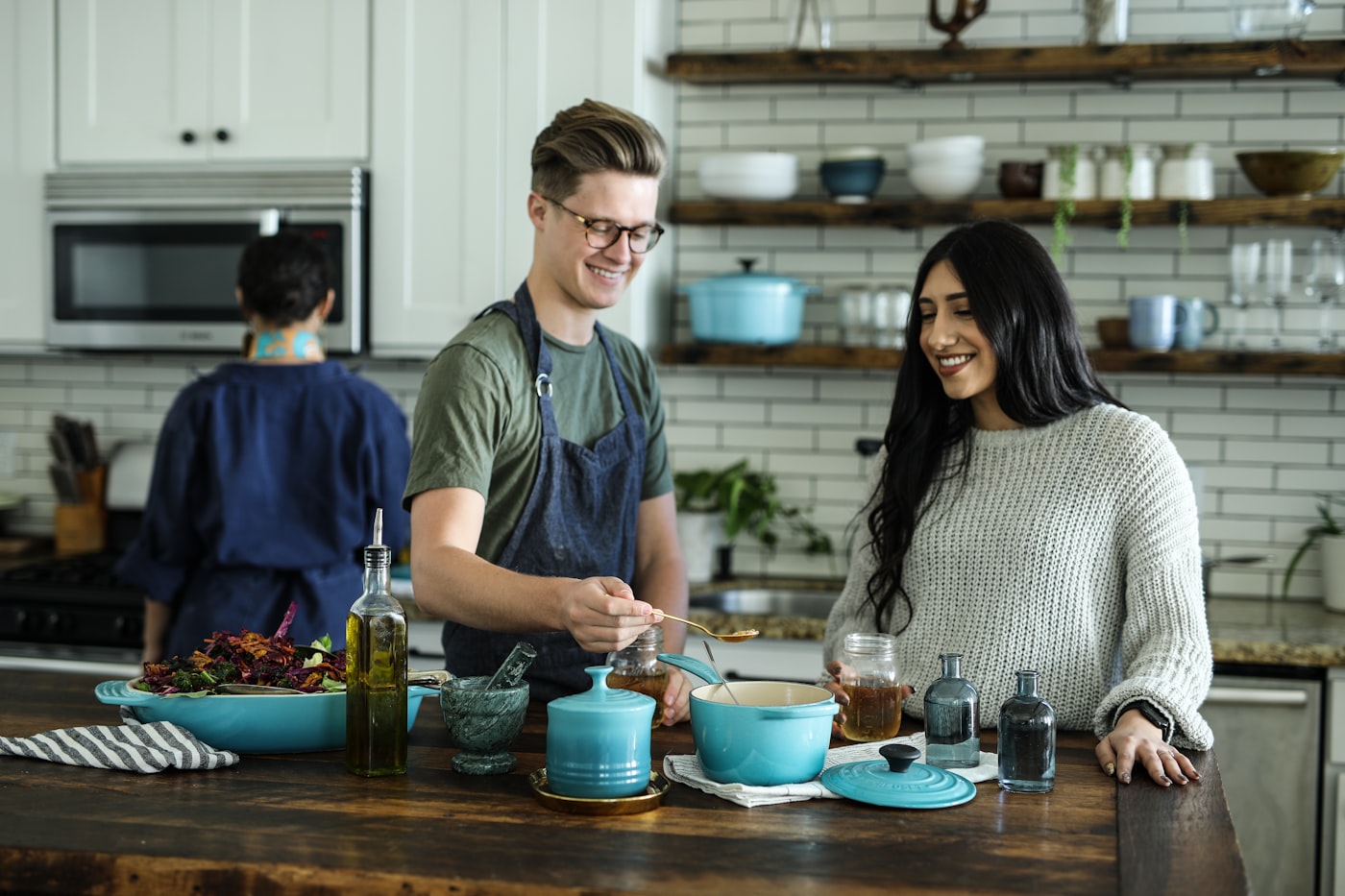
Master culinary techniques and discover recipes that transform everyday ingredients into memorable meals
A journey through flavor, technique, and the art of creating dishes that tell stories
Every memorable meal begins with understanding. Not just following instructions, but grasping why certain ingredients complement each other, how heat transforms texture, and when to trust your instincts over a timer.
For years, home cooks have been trapped between two extremes. Complex restaurant techniques that seem impossible to replicate, or simplified shortcuts that sacrifice flavor for convenience. The truth lies elsewhere.
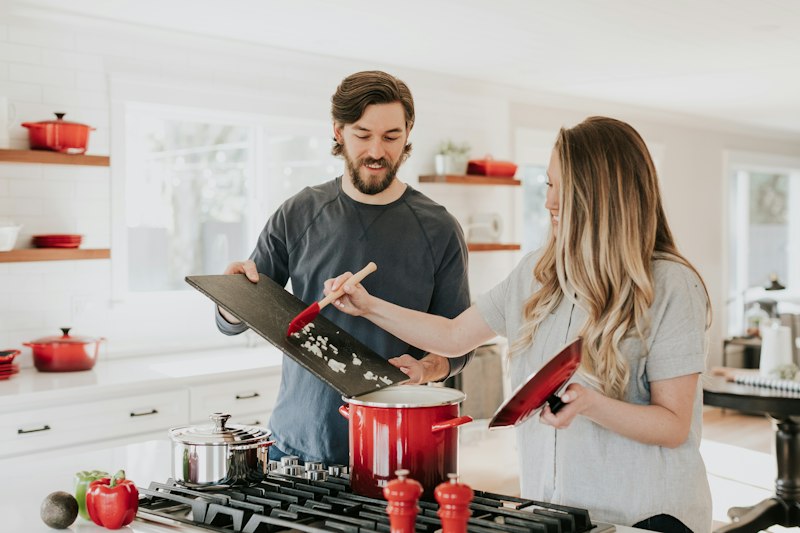
Technique matters, but confidence transforms everything
The foundation of consistent results
Professional kitchens don't rely on magic. They build systems. Understanding mise en place isn't about arranging ingredients aesthetically; it's about creating efficiency that allows you to focus on the critical moments when a sauce needs attention or meat requires precise timing.
Temperature control separates adequate cooking from exceptional results. A properly preheated pan creates the Maillard reaction that develops complex flavors. Patient heat application ensures even cooking without burning surfaces or leaving centers raw.
Building flavor through technique
Salt doesn't just add sodium; it amplifies existing flavors and suppresses bitterness. Applied at different stages, it creates layers of taste that make dishes more complex. Acid brightens and balances richness. Fat carries flavor compounds and creates satisfying mouthfeel.
These aren't abstract concepts. They're practical tools that explain why your grandmother's stew tasted better than yours, even when you followed her recipe exactly. She understood timing, tasting, and adjustment.
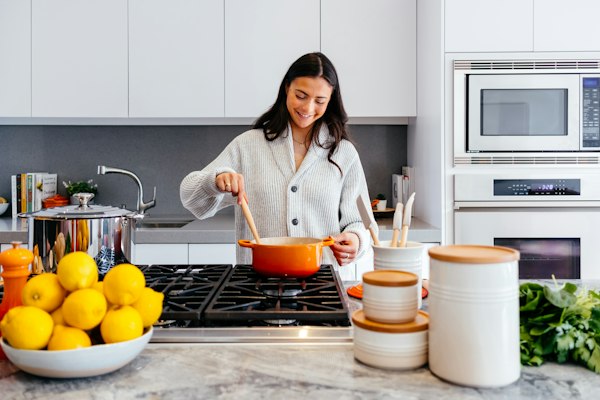
Heat application defines texture and develops flavor complexity
The intersection of precision and creativity
Baking demands accuracy. Ratios matter. Chemical reactions require specific conditions. But within those parameters exists tremendous room for expression. Understanding the rules allows you to break them intentionally rather than accidentally.
Recipes serve as frameworks, not prison cells. Once you grasp underlying principles, you can adapt based on available ingredients, dietary needs, or personal preferences while maintaining structural integrity.
Sustainable practices in daily cooking
Waste reduction begins with planning. Using vegetable scraps for stock, repurposing leftovers into distinct meals, and selecting ingredients that serve multiple purposes creates both economic and environmental benefits.
Seasonal cooking isn't about restriction. It's about working with ingredients at peak flavor and affordability. Winter squash tastes better in November than June, not because of romantic notions, but because it was harvested recently and traveled shorter distances.
How we can help develop your skills
Structured programs designed around practical application and measurable improvement

Foundation Techniques Workshop
Master knife skills, heat management, and essential preparations that form the basis of confident cooking. Learn proper stock preparation, sauce fundamentals, and timing coordination.
£287.50

Advanced Flavor Development
Explore layering techniques, fermentation basics, and complex seasoning strategies. Understand how to build depth in sauces, create balanced seasoning profiles, and develop signature combinations.
£412.75
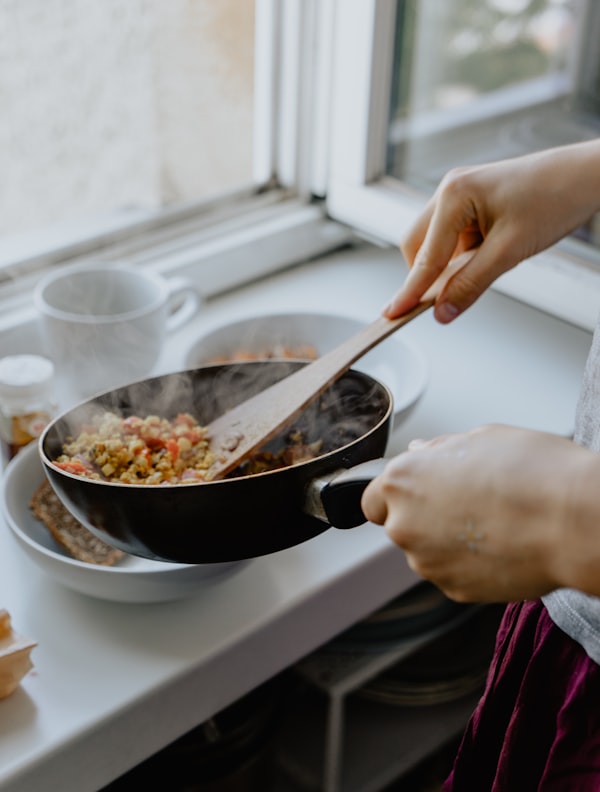
Recipe Development Consultation
Work individually to create original recipes or refine existing ones. Learn systematic testing methodology, documentation practices, and how to scale recipes reliably.
£536.25
Seasonal Menu Planning
Develop flexible menu frameworks that adapt to ingredient availability while maintaining efficiency. Learn cost management, waste reduction, and how to create variety within consistent systems.
£318.90
Begin your culinary development
Submit your details to enroll in your selected program. We'll contact you within two business days to confirm scheduling.
Important Notice: The information provided through our programs is educational and intended to enhance culinary skills. Results depend on individual practice, application, and existing skill level. Our services are not a replacement for formal culinary education or professional certification programs. Participants should assess their own needs and consult with career advisors if pursuing professional cooking opportunities.